When the Northern Michigan University Center for Rural Health (NMUCRH) celebrated its fifth
anniversary in 2025, it marked not only half a decade of vital rural health efforts in Michigan’s
Upper Peninsula, but also the debut of a new initiative: the inaugural U.P. Future Health Leaders
Camp (U.P. FHLC). The 2025 camp, held in July, brought together 36 ninth- and tenth-grade
students from across the U.P. for a week of immersive health education and career exploration
on NMU’s campus, and offered a glimpse of how rural communities may begin to close the
health workforce gap.
A New Entry Point into Rural Health Professions
Over six days, incoming high school freshmen and sophomores from 6 counties, 17 cities, and
13 high schools across the U.P., explored healthcare careers through professional mentorship,
learned hands-on techniques in NMU’s simulation and science labs, and gained exposure to
university life through time in the residence halls, dining halls, and recreation areas. Students
learned about the importance of physical activity, caring for their mental health, and promoting
good dental hygiene. They also participated in rotating sessions on nutrition, cardiology, surgical
technology, radiography, EMS, speech-language pathology, audiology, clinical lab sciences, and
more. Midway through the week, students had the opportunity to experience case studies in
which they managed the treatment of a “patient” with the assistance of current healthcare
professionals. By Friday, every participant had also earned CPR and First Aid certification.
Evening activities and social events helped build bonds, while sessions on college preparation
offered guidance for future planning. Through this programming students discovered best
practices for healthy living, explored new healthcare careers, developed new friendships,
improved their leadership skills, and started actively thinking about their future careers and their
potential impact in their communities.
Addressing Growing Needs and Knowledge Gaps
The launch of U.P. FHLC comes at a crucial time. According to projections from the National
Center for Health Workforce Analysis, the demand for physicians, physical therapists, dentists
and dental hygienists, nurses (RNs & LPNs), mental health counselors, and other healthcare
professionals has already, or will soon, outpace supply — especially in nonmetropolitan areas1.
For example, forecasts show an anticipated shortage of over 200,000 registered nurses and
over 300,00 licensed practical nurses by 2037, with this shortage being felt even more acutely in rural regions like the U.P.1 Workforce shortages can result in reduced access to care, increased wait times for patients, further strain on the healthcare system, and a potential for decreased quality of care2. Furthermore, with no medical, dental, or physical therapy graduate programs in the Upper Peninsula, students must leave to pursue further education. Financial constraints and a more limited job market may then keep them in these more metropolitan areas, often despite motivations to return.
For rural regions like the U.P., where the rural-provider shortage has long impacted access to care, programs like U.P. FHLC offers a proactive path forward and a means of cultivating local talent. Research suggests that programs like the U.P. Future Health Leaders Camp, which “provide hands-on experience and access to positive role models that shape student perceptions and enhance student confidence, are most successful in making an impact in a student’s career decision”3. By engaging local youth early, educating them about a variety of healthcare careers, especially those they may not have previously considered or those with current or projected shortages, and helping them to envision a future in their home region, students are not only encouraged to explore pursuing a healthcare profession, but to consider returning home to work. The hope is that exposure to professional role models working within their own communities inspires students to not only see the need that exists here but also the benefit and reward of returning and staying to work in the Upper Peninsula. Furthermore, recruiting local health professionals and NMU faculty to assist with the camp gives them the opportunity to directly contribute to reducing the health disparities and workplace shortages facing their own cities, both now and in the future.
Beyond workforce development, the camp also aims to address gaps in health education that may exist for students in their school and/or home. Youth gain reliable, practical knowledge from local experts about exercise, nutrition, mental health, dental hygiene, and other essential topics. In doing so, the NMUCRH seeks to set up the next generation for a lifetime of healthier, more informed decision making. Research on similar health education programs suggests that supplemental programming like this significantly increases students' comfort, knowledge, and likelihood of further discussing topics like exercise and mental health with a healthcare professional 4. Opening the doors to these discussions early supports a lifelong commitment to better health.
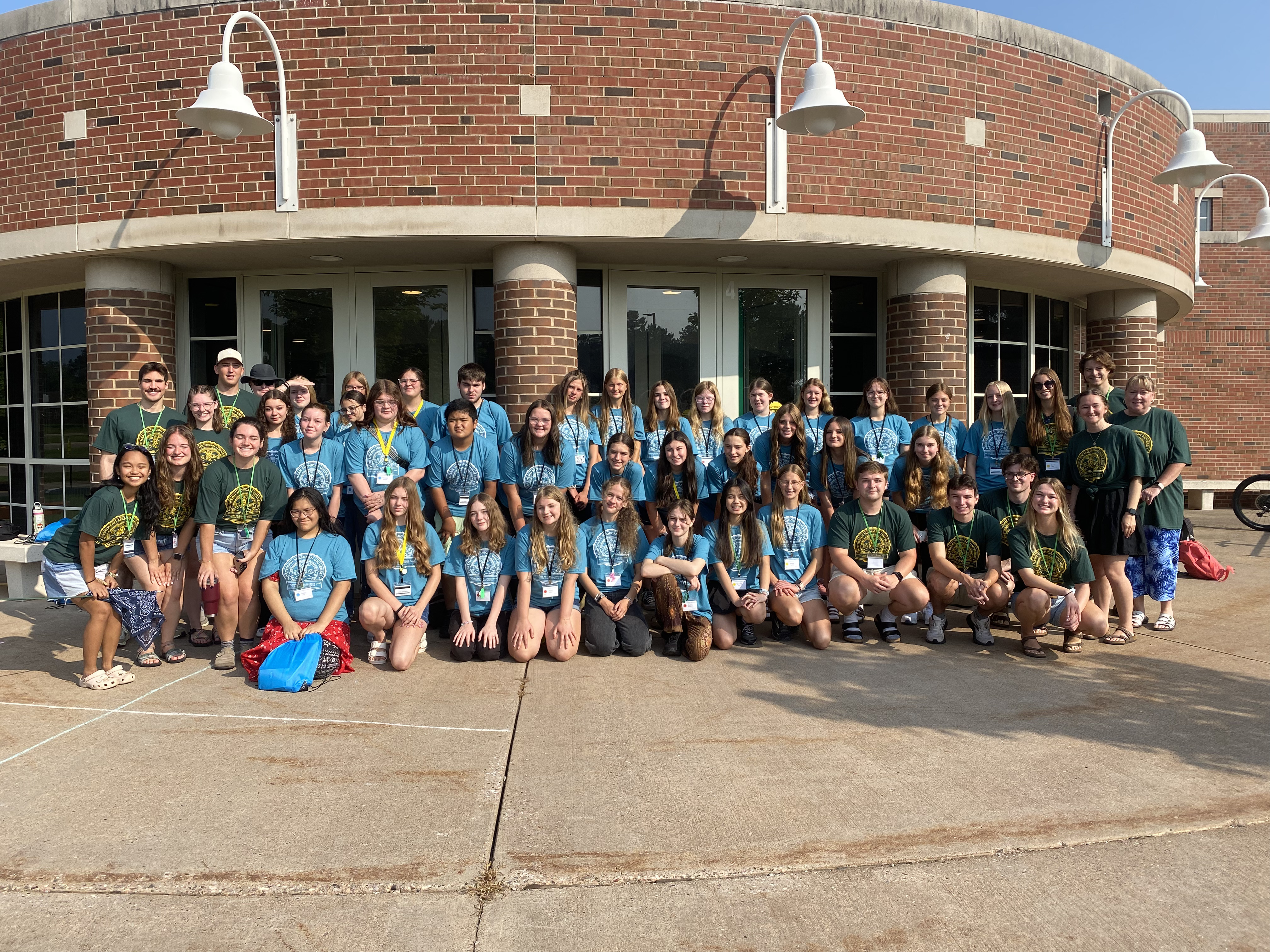
Voices from the Camp: Energy, Inspiration, and Possibility
Of the over 80 individuals involved in camp programming, including Northern Michigan University faculty, staff, and students, community health professionals, and volunteers, 100% indicated they would be interested in participating again. One such presenter shared that the experience was “transformative…going far beyond the classroom and igniting a passion for healthcare in every participant”. Further testimonials from camp participants, parents, and staff painted a vivid picture of a week that transformed not only the students’ understanding of health careers, but their sense of possibility. Among the student attendees, over 80% indicated that they were likely or very likely to return the following year. Of even greater significance, over 90% of participants agreed or strongly agreed that the camp helped them to better understand the career opportunities available to them within the healthcare field. One parent shared that their student came home "energized about their future...confident and inspired”. Students didn’t only exit with more clarity and motivation to pursue these professions, they also left more knowledgeable about their own health, with student learning outcomes, as assessed in a pre- and post survey, improving by an average of 28%, from 63% to 91%. NMU health sciences students, who served as camp counselors, shared that this experience reminded them of why they are so passionate about working in healthcare and confirmed for them that they had chosen the right path both at NMU and in their particular health profession.
Beyond overwhelmingly positive internal feedback from volunteers, community health professionals, faculty, staff, and participants, the program also drew media attention, with features on Upword News, My UP Now News, EurHealth News, Northern Today, and TV6 News. Camp organizers, Elise Bur, Director, NMUCRH and Anna Christiansen, Assistant Director, NMUCRH, lauded the collaborative efforts that made the program such a success, with partnerships stretching across the NMU Campus, private and public sector, and the entire U.P. region and state of Michigan. Both Bur and Christiansen shared how meaningful it was to see participants grow in confidence and competence in health-related skills, and to see NMU students, many of whom they had collaborated with in prior NMUCRH programming, lean into their roles as mentors and role models for the young participants.
Community Support
This year’s camp was made possible thanks to corporate sponsorships, community/private donations which supported six student scholarships, and generous grant funding. These funds ensured the program remained affordable, meaning no student was excluded from the opportunity to explore healthcare careers and higher education opportunities due to an inability to pay. This commitment to an equitable and accessible program would have been impossible without the generous support of community members and organizations. A special thanks to gold sponsors: NMU Academic Affairs and Marshfield Medical Center, silver sponsors: Michigan Health and Hospital Association, bronze sponsors: Copper Shores Community Health Foundation, Get Fresh Communications, Michigan Health Council, OSF St. Francis Hospital and Medical Group, Superior Health Foundation, Upper Great Lakes Family Health, Upper Peninsula Area Health Education Center, Upper Peninsula Health Plan, Upper Peninsula Hospital Council, donors: U.P. MiWORKS, Upper Peninsula Health System – Marquette., Community Foundation of Marquette County, scholarship sponsors: Copper Shores Community Health Foundation, Marquette County Cares Coalition, and several anonymous donors, and grant funding from the Michigan Department of Health and Human Services Office of Nursing Programs.
Looking Ahead: Building Momentum for Rural Health in the U.P.
The U.P. Future Health Leaders Camp could not have been more successful in its inaugural year thanks to the collaboration and support of so many individuals. We look forward to continuing to expand the program so that more youth can discover new passions for healthcare, develop new connections, and build up our workforce from within. The NMUCRH has already begun planning for next year’s U.P. Future Health Leaders Camp. If you are interested in participating, sponsoring, or supporting the 2026 program, please reach out to Anna Christiansen at annchris@nmu.edu.
Sources:
1. https://bhw.hrsa.gov/data-research/projecting-health-workforce-supply-demand
2. https://cascadestaff.com/the-impact-of-healthcare-staffing-shortages/
3. https://pmc.ncbi.nlm.nih.gov/articles/PMC4286884/
4. https://pmc.ncbi.nlm.nih.gov/articles/PMC8353355/
Do you have a story to share? Know a rural organization or individual making a difference? Email Laura Stoddard, Social Drivers of Health Manager, at laura.mispelon@affiliate.msu.edu, and let us share your story!