Resources
Explore the Training and Continuing Education Online (TCEO) platform, where a variety of CDC-provided courses on public health topics are available to expand your knowledge and skills.
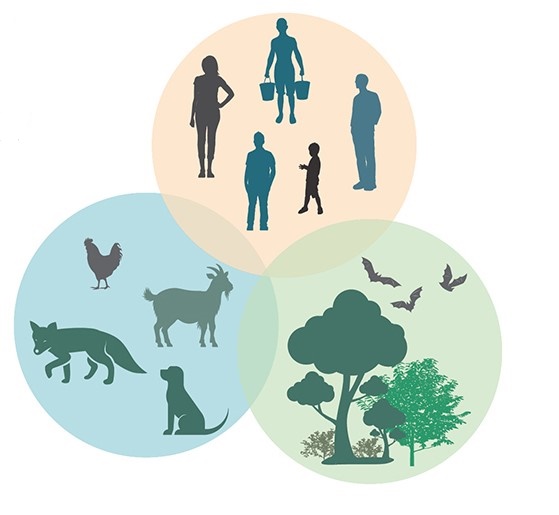
Learn about the One Health approach, which connects human, animal, and environmental health. MCRH offers educational opportunities in this discipline.
This link will provide updated information from the Centers for Medicare & Medicaid Services (CMS) as it regards to Ambulance Services.
Here you can find ambulance cost data and other information on payment reform that has been compiled by the American Ambulance Association.
The National Rural Health Resource Center (NRHRC) provides resources on data collection, analysis, and reporting to enhance decision-making and quality improvement in rural healthcare settings.
The National Rural Health Resource Center TASC webpage focuses on the Medicare Beneficiary Quality Improvement Project (MBQIP), offering resources to improve quality care at Critical Access Hospitals (CAHs).
Patient-Focused Resources
This online resource provides clear, comprehensive palliative care information for people coping with serious, complex illness. Key components of the site include a Palliative Care Provider Directory, and an interactive questionnaire to assist people in determining whether palliative care is appropriate for them or their loved-ones. Supported by the Center to Advance Palliative Care.
Palliative Care Video
Palliative Care: YOU Are a BRIDGE is a video animation that compares palliative care to the foundation of a bridge. While illness may weaken the foundation, the palliative care team provides a stronger layer of support. This resource is well suited for patients, families, and care partners.
The National Association of Rural Health Clinics (NARHC) promotes the delivery of quality, cost-effective healthcare in rural underserved areas. They provide advocacy, education, and support for RHCs, including webinars, compliance tools, regulatory updates, and technical assistance.
Centers for Medicare & Medicaid Services (CMS) oversees the certification process for RHCs, ensuring compliance with federal regulations. They provide guidance on billing and reimbursement, Medicare and Medicaid compliance, and updates on new policies affecting RHCs.
The Rural Health Information Hub (RHIhub) offers a comprehensive database of resources and information on rural health, including funding opportunities, toolkits, and policy briefs that are relevant for RHCs. Their resources help clinics stay informed on regulations, best practices, and rural health issues.
The National Rural Health Resource Center (NRHRC) provides technical assistance, education, and resources to help RHCs achieve financial stability, clinical excellence, and quality improvement. They focus on supporting rural health providers with strategic planning, population health, and leadership development.
The Social Determinants of Health in Rural Communities Toolkit provides evidence-based models and resources to help organizations address social determinants of health in rural U.S. communities, supplementing previous RHIhub guides and toolkits.
Healthy People 2030 focuses on eliminating health disparities and promoting health equity by addressing social determinants of health (SDOH) that impact well-being and quality of life.
From Stratis Health, Culture Care Connection houses various resources on social determinants of health (SDOH), including their basics, COVID-19 impacts, risk screening tools, e-referral solutions, the Pathways HUB model, data analytics, rural health, and strategies for addressing SDOH.
The Substance Abuse and Mental Health Services Administration (SAMHSA) is the agency within the U.S. Department of Health and Human Services that leads public health efforts to advance the behavioral health of the nation.
The Health Resources and Services Administration (HRSA) administers the Rural Communities Opioid Response Program (RCORP), which annually funds diverse grant initiatives designed to prevent and treat opioid use disorder (OUD) in the nation’s highest-need rural communities.
Arch ProCoding is an organization that provides comprehensive coding and billing education, training, and certification for professionals working in rural health clinics, community health centers, and critical access hospitals.
The Office for the Advancement of Telehealth (OAT), part of the Health Resources and Services Administration (HRSA), promotes the use of telehealth to enhance healthcare access and outcomes by supporting direct services, research, and technical assistance programs.
The Veterans Administration offers many programs designed to benefit Veterans, their families, and their Caregivers.
Provide care to Veterans by joining the new VA Community Care Network. Community providers are critical to Veteran’s health!
Learn about Health Professional Shortage Areas (HPSAs) and how they are used to identify high-need areas for prioritizing funding and resources for primary care medical, dental, and behavioral health providers.
Explore the National Health Service Corps (NHSC) to learn how they support over 20,000 primary care medical, dental, and behavioral health providers with scholarships and loan repayment programs, prioritize those in high-need areas, and find information on how to become an NHSC-approved site.