
3RNet is a national job board that helps healthcare professionals find jobs in rural areas.
Starting exploring opportunities in rural Michigan today!
J1 Visa & Conrad 30 Programs
The J-1, exchange visitors classification, is authorized for those who intend to participate in an approved program to expand their education and training in the United States. J-1 medical doctors may apply for a waiver of the 2-year residence requirement upon completion of the J-1 exchange visitor program.
The Conrad 30 Waiver Program allows each state to recommend up to 30 physicians to receive a waiver of the 2-year home residence requirement in exchange for a commitment of 3-years of service in an underserved area. The Michigan Department of Health and Human Services (MDHHS) acts as the Interested Governmental Agency (IGA) for the Michigan State Conrad 30 Program and may sponsor up to 30 waiver applications each fiscal year for qualified J-1 Visa physicians.
The application cycle begins on the first business day in September and closes on the first business day of November of any given cycle year. For information regarding the status of available slots after the November application period, please contact Megan Linton at LintonM3@michigan.gov.
Living in Rural Michigan
What is like to live and work in rural Michigan?
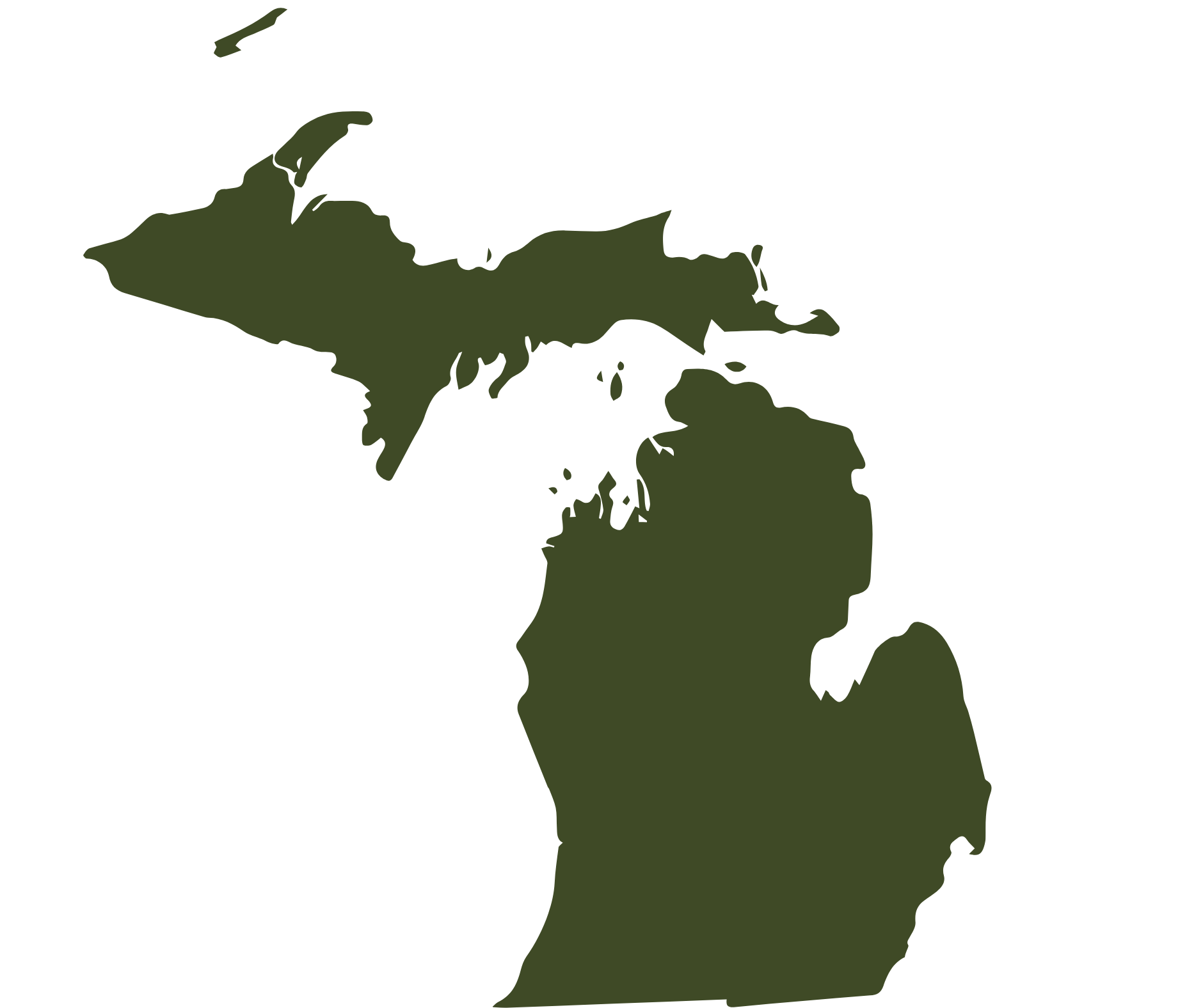
The state of Michigan is graced with the riches of unspoiled nature; the world's longest freshwater coastline, lakes that feel like oceans, shimmering beaches, miles of cherry orchards, numerous wineries, glorious sunrises and sunsets, daytime skies of the deepest blue, nighttime skies scattered with stars. From scenic routes on the open road to rugged trails, from the sand-covered to the well-traveled, they all lead us to the beauty of nature and simple pleasures of rural Michigan.
Benefits you may find practicing in a rural community are:
- Full scope of practice
- Opportunity for professional responsibility in the community beyond your clinical practice
- Coworkers are like a second family
- Personal connection to patients
- Loan repayment and other financial incentive opportunities
- Team-based and value-based care initiatives are prevalent in rural practice
- Opportunity for leadership role within your practice
- Elevated status in the community
- Opportunity to expand your clinical expertise
- Greater autonomy